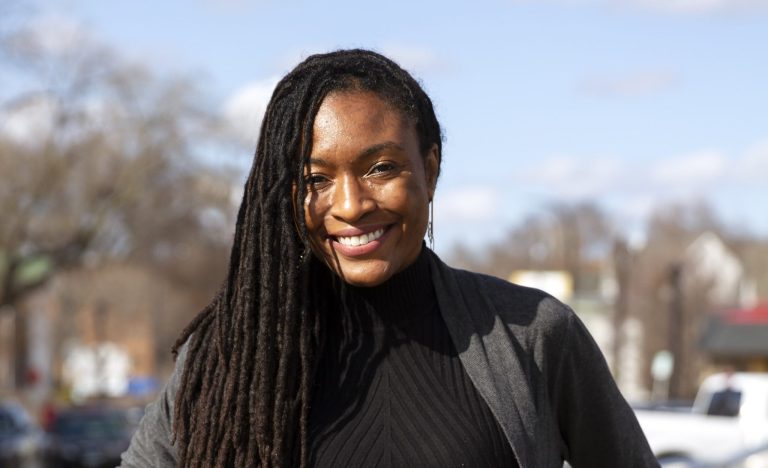
Cheryal Hills là một nhà lãnh đạo tiên phong, một người bảo vệ không sợ hãi cho tiếng nói của người dân nông thôn, và là Giám đốc điều hành của... Ủy ban phát triển vùng năm.
Ủy ban Phát triển Khu vực Năm (R5DC) là một đối tác tập trung vào khu vực, cung cấp các sáng kiến phát triển cộng đồng, phát triển kinh tế và giao thông vận tải ở miền trung Minnesota. Các chương trình của R5DC sử dụng phương pháp tiếp cận toàn diện, hợp tác, nhấn mạnh vào thực phẩm địa phương, nông nghiệp và việc tạo ra một nền kinh tế năng lượng tái tạo sôi động ở vùng đô thị Minnesota. McKnight tự hào hỗ trợ công việc của R5DC thông qua các chương trình của chúng tôi. Khí hậu & Năng lượng Trung Tây và Cộng đồng sống động và công bằng các chương trình.
Ông Marcq Sung, Cán bộ Chương trình cấp cao của McKnight, người dẫn dắt chiến lược Xây dựng Sự giàu có cho Cộng đồng trong Chương trình Cộng đồng Sống động và Công bằng của chúng tôi, đã đề cử Cheryal cho hồ sơ Nhân cách Dũng cảm. Dưới đây là những gì ông ấy đã chia sẻ:
“Khi bạn gặp Cheryal hoặc nghe về công việc của cô ấy, bạn sẽ nhanh chóng hiểu tại sao cô ấy nổi bật như một đối tác dũng cảm. Cô ấy lãnh đạo bằng hành động, sự khiêm tốn và cam kết sâu sắc phục vụ người khác. Lòng dũng cảm của cô ấy thể hiện ở sự sẵn sàng giải quyết trực diện các thách thức quan trọng của khu vực, đón nhận sự thích ứng và sáng tạo trong khi tập trung vào tiếng nói của người dân nông thôn và bộ lạc. Cheryal làm gương, thể hiện sự kiên cường và quyết tâm tạo ra sự khác biệt. Cách tiếp cận của cô ấy, được định hình bởi kinh nghiệm sống và niềm tin vào sự kết nối giữa các cá nhân, biến cô ấy thành một nhà lãnh đạo có tầm nhìn và là người bạn đồng hành kiên định cho sự công bằng và thay đổi—đặc biệt là ở những khu vực mà khoảng cách địa lý khiến việc thu thập tất cả các tiếng nói trở nên khó khăn hơn.”.
Thông qua phong cách lãnh đạo lấy hành động làm trọng tâm, Cheryal làm việc trên khắp các hệ thống hàng ngày giúp cộng đồng phát triển mạnh mẽ—mạng internet băng rộng, chăm sóc trẻ em, lực lượng lao động, tiếp cận cửa hàng tạp hóa, giao thông, nước sạch và bảo vệ môi trường—coi cơ sở hạ tầng là các yếu tố liên kết với nhau và tập trung vào sự gắn kết và cơ hội.
Bà kết hợp các chiến lược chủ động, hướng tới tương lai với góc nhìn về sự công bằng bằng cách sử dụng ẩm thực, nghệ thuật và đối thoại để xây dựng sự gắn kết xã hội trong các cộng đồng nông thôn và bộ lạc. Tác động thể hiện rõ ràng cả ở quy mô lớn và trên thực tế—từ dự án năng lượng mặt trời nông thôn lớn nhất Minnesota và các trung tâm thực phẩm địa phương giúp thu hẹp khoảng cách văn hóa, đến những nỗ lực thiết thực như dạy cựu chiến binh nấu những bữa ăn lành mạnh và hỗ trợ giao lưu văn hóa của phụ nữ—đo lường thành công bằng chất lượng các mối quan hệ và sự khác biệt hữu hình mà mọi người trải nghiệm.
Cách tiếp cận của R5DC, tập trung vào các giải pháp do cộng đồng dẫn dắt và tiếp cận vốn công bằng, hoàn toàn phù hợp với chiến lược của McKnight nhằm xây dựng sự giàu có cho cộng đồng đồng thời tạo ra các cộng đồng có khả năng chống chịu với môi trường. Bằng cách ưu tiên sự công bằng và đầu tư vào năng lực địa phương, R5DC không chỉ cải thiện cơ sở hạ tầng; mà còn tạo ra các cơ hội bền vững, thúc đẩy khả năng phục hồi và thiết lập một mô hình về cách phát triển nông thôn có thể nâng cao cả phúc lợi kinh tế và xã hội.”
“Cheryal hoạt động trên khắp các hệ thống hàng ngày giúp cộng đồng phát triển mạnh mẽ—mạng internet băng rộng, chăm sóc trẻ em, lực lượng lao động, tiếp cận cửa hàng tạp hóa, giao thông, nước sạch và quản lý môi trường—coi cơ sở hạ tầng là các yếu tố liên kết với nhau và tập trung vào sự gắn kết và cơ hội.”
– MARCQ SUNG, CÁN BỘ CHƯƠNG TRÌNH CẤP CAO, CỘNG ĐỒNG SÔI ĐỘNG VÀ CÔNG BẰNG
Chúng tôi đã có cuộc trò chuyện với Cheryal để tìm hiểu thêm về cách hành động, sự công bằng và hợp tác định hình nên phương pháp tiếp cận đầy can đảm của cô ấy trong việc giải quyết các thách thức khu vực và cải thiện chất lượng cuộc sống ở các cộng đồng nông thôn và bộ lạc.
Cuộc phỏng vấn sau đây đã được chỉnh sửa để có độ dài và rõ ràng.
McKnight: Ông có thể cho chúng tôi biết về Ủy ban Phát triển Vùng Năm không? Ủy ban làm những gì, và tầm nhìn cũng như sứ mệnh chung đằng sau công việc của họ là gì?
Đồi Cheryal: Chúng tôi là một trong chín ủy ban phát triển khu vực trên khắp Minnesota, được thành lập theo luật tiểu bang. Cơ cấu tổ chức này là độc nhất vô nhị trên toàn quốc, vì chúng tôi được thiết lập tương tự như một thành phố hoặc quận, nhưng theo chỉ thị của cơ quan lập pháp. R5DC nhận được chưa đến một phần sáu ngân sách hoạt động hàng năm từ tiền thuế địa phương. Luật pháp chỉ định chúng tôi là một tổ chức quy hoạch có khả năng thực hiện các chiến lược giải quyết các vấn đề quan trọng của khu vực.
Trọng tâm của chúng tôi không phải là phát triển kinh tế ở cấp thành phố hay quận, mà là nhìn nhận vấn đề một cách tổng thể hơn. Chúng tôi không hướng đến việc thu hút doanh nghiệp hay phát triển các khu công nghiệp. Thay vào đó, công việc của chúng tôi tập trung vào những vấn đề như liệu khu vực của chúng ta có truy cập internet băng rộng hay không, liệu chúng ta có thể thu hút lực lượng lao động bằng cách tạo dựng một cộng đồng thân thiện hay không, và liệu chúng ta có đủ dịch vụ chăm sóc trẻ em hay không. Chúng tôi đối mặt với những thách thức đáng kể—đảm bảo có đủ cửa hàng tạp hóa, phương tiện giao thông và nước sạch. Khi các tổ chức như chúng tôi giải quyết những vấn đề này từ góc độ khu vực, thay vì chỉ ở cấp địa phương, bản chất của các thách thức khu vực sẽ thay đổi.
Các tổ chức khu vực khác ở Minnesota phải chú ý đến vị trí của mình, lắng nghe người dân và cực kỳ chủ động trong việc giải quyết các vấn đề quan trọng cụ thể của họ. Khi biết rằng tình trạng thiếu hụt nhân lực sắp xảy ra, các tổ chức như chúng tôi bắt đầu nghĩ đến các chiến lược trước khi điều đó xảy ra. Chúng tôi phải vừa phòng ngừa vừa có tầm nhìn xa, và thật khó để giữ cả hai điều đó cùng một lúc. Đó không phải là sứ mệnh của hầu hết các tổ chức công cộng, vì vậy chúng tôi cực kỳ sáng tạo và đổi mới vì chúng tôi phải như vậy. Tôi không thích lập kế hoạch lắm – tôi thích hoàn thành công việc. Tất nhiên, chúng ta phải lập kế hoạch và lắng nghe mọi người, nhưng chính hành động mới là điều quan trọng và thay đổi cuộc sống của mọi người.
“Sứ mệnh của chúng tôi là tác động đến chất lượng cuộc sống. Điều này nghe có vẻ mơ hồ và khó định nghĩa, nhưng bạn không chỉ đơn thuần là hợp tác với mọi người, mà còn phải cùng nhau nỗ lực để hoàn thành công việc.”– Đồi Cheryal
Ở vùng nông thôn Minnesota, chúng tôi đồng thời làm tất cả mọi việc. Chúng tôi sử dụng nguồn lực của mình để làm công tác bảo vệ môi trường, giáo dục, tổ chức cộng đồng và phát triển kinh tế. Chúng tôi phải đa dạng. Sứ mệnh của chúng tôi là tác động đến chất lượng cuộc sống. Điều này nghe có vẻ mơ hồ và không rõ ràng, nhưng bạn không chỉ đơn thuần là hợp tác với mọi người, mà bạn phải cùng nhau nỗ lực để hoàn thành công việc.
Bạn phải tự tìm ra cách – tìm một kẽ hở khi cánh cửa đóng lại. Tôi nghĩ đó là tư duy khác biệt. Một khát khao được là một phần của giải pháp. Hãy tránh xa nếu các đối tác đã kiểm soát được tình hình và chỉ nên đóng góp giá trị vào công việc ở những nơi mà các đối tác chủ chốt xác định là cần thiết nhất. Hãy mang nguồn lực đến cho họ. Ví dụ như dịch vụ trông trẻ và nhà ở: chúng ta không cần phải làm vậy. làm Chúng ta chỉ cần có nguồn tài trợ để họ có thể làm những gì họ cần. Hãy là một đối tác tốt.
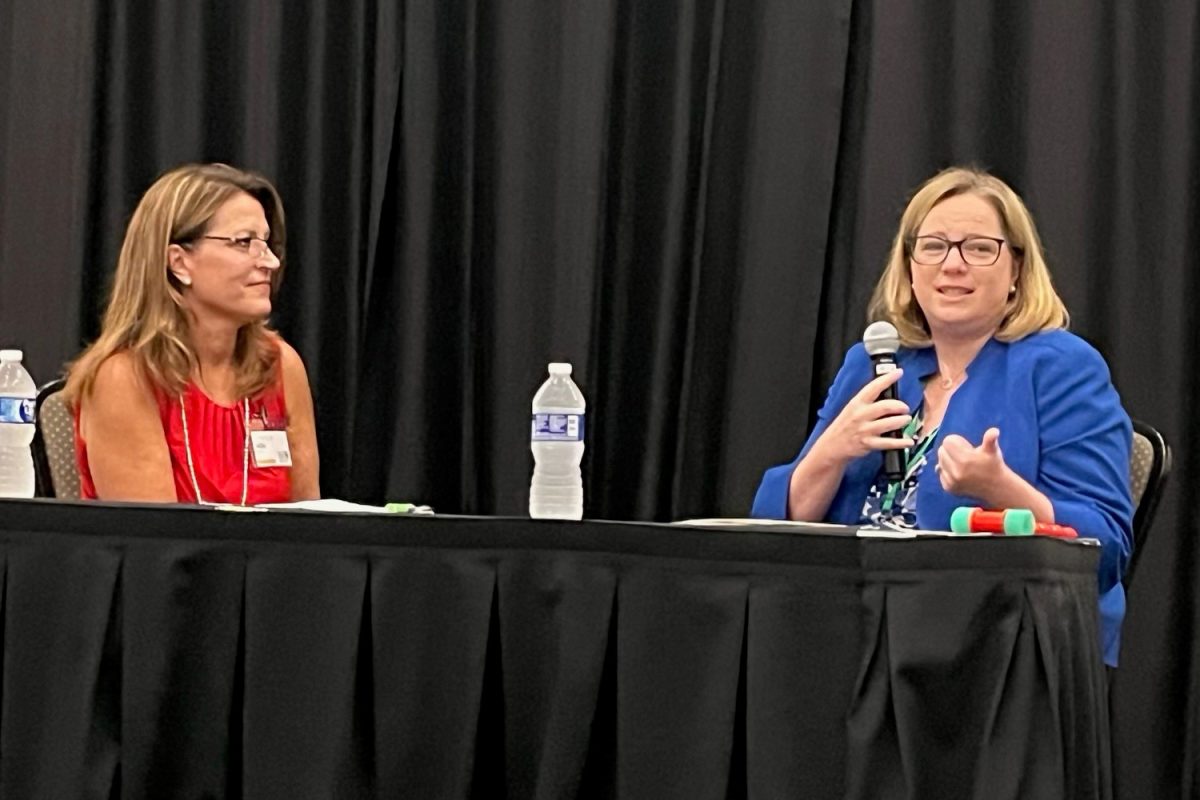
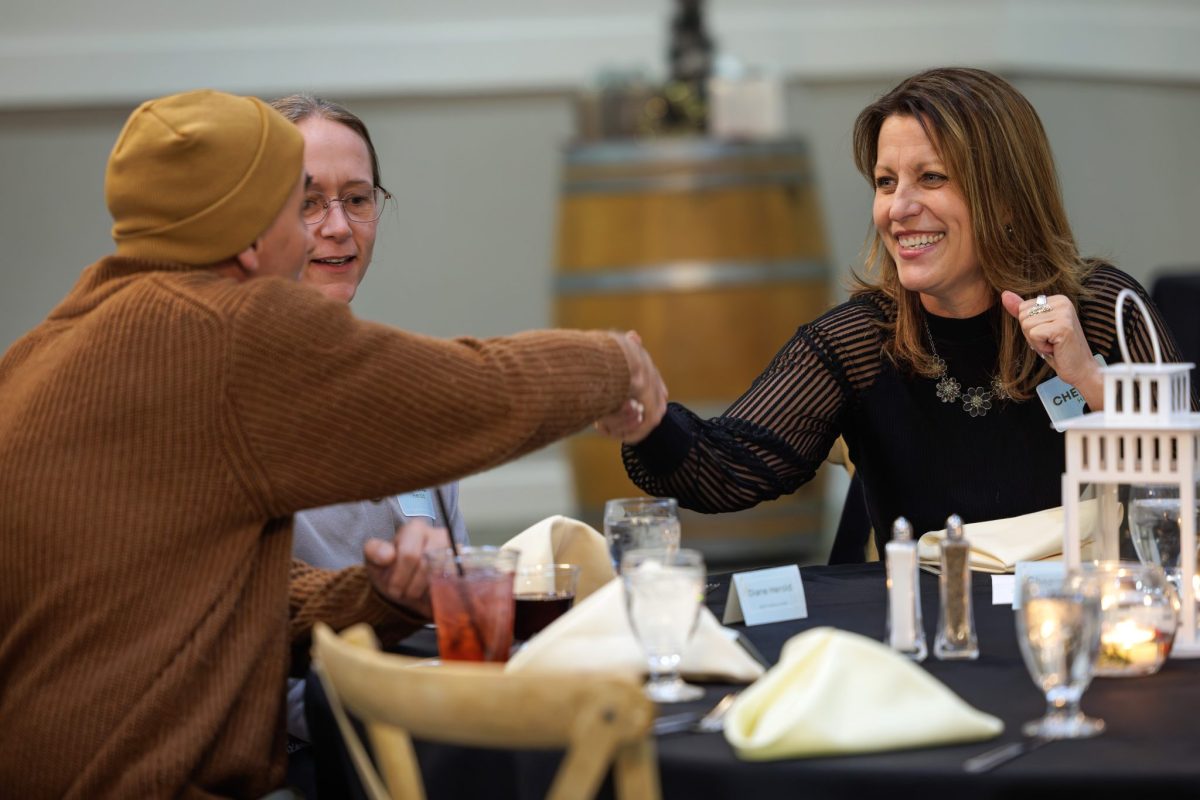
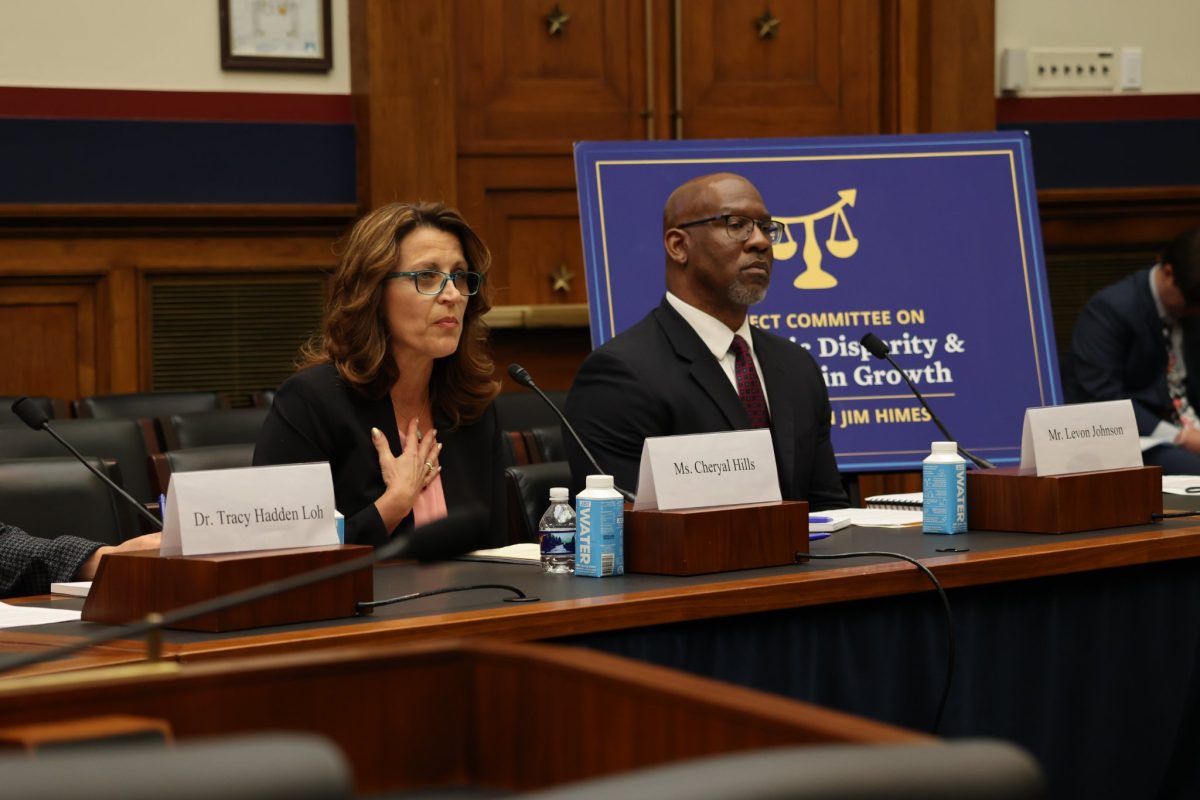
McKnight: Có ví dụ nào về tác phẩm của R5DC mà bạn đặc biệt muốn nêu bật không?
Đồi Cheryal: Trên phạm vi toàn quốc, chúng tôi thực sự nổi tiếng với phong trào thực phẩm địa phương trước khi nó trở nên phổ biến, khi các trung tâm phân phối thực phẩm mới bắt đầu xuất hiện trên phạm vi quốc gia. Trung tâm phân phối thực phẩm của chúng tôi đã tạo ra tác động lớn ở khu vực Trung tâm Minnesota, một khu vực có sự phân cực rất cao. Chúng tôi có một số quận bảo thủ nhất trong tiểu bang. Công việc về thực phẩm địa phương của chúng tôi không chỉ là công cụ để nuôi sống mọi người. Việc tiếp cận với thực phẩm và nghệ thuật giúp kết nối các nền văn hóa và giúp mọi người hiểu rằng sự khác biệt là điều bình thường, không nên coi sự khác biệt là mối đe dọa. Vào mùa đông, các chợ địa phương của chúng tôi trở thành những điểm tụ họp sôi động, nơi bạn có thể mua thực phẩm tươi ngon từ các trang trại gần đó và các tác phẩm nghệ thuật địa phương độc đáo, đồng thời thưởng thức âm nhạc và xem mọi người cùng nhau nấu ăn trong bếp, các đầu bếp hướng dẫn mọi người cách làm những món ăn thực sự phản ánh con người và nguồn gốc của chúng ta.
“Việc tiếp cận với ẩm thực và nghệ thuật giúp kết nối các nền văn hóa và giúp mọi người hiểu rằng sự khác biệt là điều bình thường, không nên coi sự khác biệt là mối đe dọa.”– Đồi Cheryal
Thành công trong công việc này không được đo bằng số lượng thực phẩm được quyên góp hay số lượng tác phẩm nghệ thuật được bán. Việc kết nối và xây dựng cầu nối không dựa trên các phép đo định lượng mang tính giao dịch thông thường. Chúng ta đang cố gắng hiểu xem công việc của mình có thực sự tạo ra sự khác biệt hay không, và điều đó đòi hỏi sự lắng nghe sâu sắc, sự hợp tác và sự linh hoạt.
McKnight: Theo ông, lãnh đạo dũng cảm có nghĩa là gì, đặc biệt là trong bối cảnh cộng đồng nông thôn?
Đồi Cheryal: Vùng nông thôn rất phức tạp và luôn thay đổi. Nỗi sợ thay đổi là một công cụ mạnh mẽ đã được sử dụng thành công để chống lại các cộng đồng nông thôn với thông điệp rằng văn hóa nông thôn đang bị xóa sổ hoặc thay đổi theo chiều hướng xấu. Trong thời điểm này, điều quan trọng là phải dũng cảm đón nhận sự thay đổi và chống lại việc trở thành tay sai của chế độ chuyên chế, thay vào đó hãy đề xuất ý tưởng, hành động và trao quyền cho những người muốn lãnh đạo theo cách tạo ra sự khác biệt. Tôi tin rằng chúng ta có thể làm tốt hơn nữa trong việc tạo ra cơ hội và chất lượng cuộc sống cho các thế hệ tương lai ở vùng nông thôn Minnesota.
Chất lượng cuộc sống không chỉ đơn thuần là thu nhập đủ sống – nó bao gồm nhà ở, thực phẩm, chăm sóc trẻ em, chăm sóc sức khỏe, giáo dục, nước sạch, không khí trong lành và đất đai với giá cả phải chăng, dễ tiếp cận – và cảm giác thuộc về cộng đồng. Khi chúng ta ưu tiên một chuỗi các lợi ích hơn là chỉ lợi ích giao dịch đơn thuần, chúng ta sẽ thắng lợi cho bảy thế hệ tiếp theo.
“Chất lượng cuộc sống không chỉ đơn thuần là thu nhập đủ sống – nó bao gồm nhà ở, thực phẩm, chăm sóc trẻ em, chăm sóc sức khỏe, giáo dục, nước sạch, không khí trong lành và đất đai với giá cả phải chăng, dễ tiếp cận – và cảm giác thuộc về cộng đồng. Khi chúng ta ưu tiên một chuỗi các lợi ích hơn là chỉ lợi ích giao dịch đơn thuần, chúng ta sẽ thắng lợi cho bảy thế hệ tiếp theo.”– Đồi Cheryal
McKnight: Anh/chị đang nhận thấy những thách thức và cơ hội nào trong công việc hiện nay?
Đồi Cheryal: Thu hẹp khoảng cách khác biệt đã trở nên quan trọng hơn bao giờ hết kể từ khi chúng ta bắt đầu chú trọng đến phát triển kinh tế và cộng đồng công bằng. Xây dựng năng lực cho vùng nông thôn và các bộ lạc vẫn rất cần thiết, và nếu được thực hiện tốt, nó sẽ phản ánh đúng thực tế và bối cảnh địa phương. Có rất nhiều cơ hội trong lĩnh vực phát triển và tích hợp công nghệ, cải thiện sức khỏe tâm thần và sự dịch chuyển lực lượng lao động trong tất cả các ngành. Các vấn đề ở nông thôn tương tự như ở thành thị nhưng có những sắc thái khác nhau do khoảng cách và hành vi khai thác trong lịch sử… chỉ có chiến lược thực hiện là khác biệt.
McKnight: Điều gì thúc đẩy bạn làm công việc này? Điều gì đã truyền cảm hứng cho bạn bước vào lĩnh vực này, và điều gì giúp bạn tiếp tục theo đuổi nó?
Đồi Cheryal: Tôi thường lái xe khoảng 30 phút mỗi ngày đến chỗ làm, và trong khoảng thời gian đó… tôi suy nghĩ về những việc mình có thể làm để tạo ra sự khác biệt trong sinh kế của những người nghèo khó ở vùng nông thôn, đồng thời tôn trọng các mục tiêu bảo vệ môi trường. Tôi thực hiện bài tập tinh thần này mỗi ngày, bởi vì tôi đang dựa vào sự dẫn dắt của những người phụ nữ tuyệt vời, những người luôn kỳ vọng điều đó. Tôi hy vọng sẽ khuyến khích những người khác trong lĩnh vực “hành động” vì cộng đồng/kinh tế tập trung vào sự công bằng, như đã được thể hiện bởi nhiều người phụ nữ mạnh mẽ, những người đã khuyến khích và hỗ trợ tôi bằng nhiều công cụ để trở thành người lãnh đạo tận tâm, luôn “làm được việc” như tôi đã trở thành.
Video liên quan: Cheryal Hills và Ủy ban Phát triển Vùng 5 đã hỗ trợ một dự án lắp đặt năng lượng mặt trời quy mô lớn tại Học khu Pine River Backus ở miền trung Minnesota.
Video được tài trợ bởi Quỹ McKnight. Sức mạnh của Minnesota. Phim do Credo Nonfiction quay với sự hỗ trợ từ Clean Energy Resource Teams và Seiche.