Cities Leading with Practical Solutions
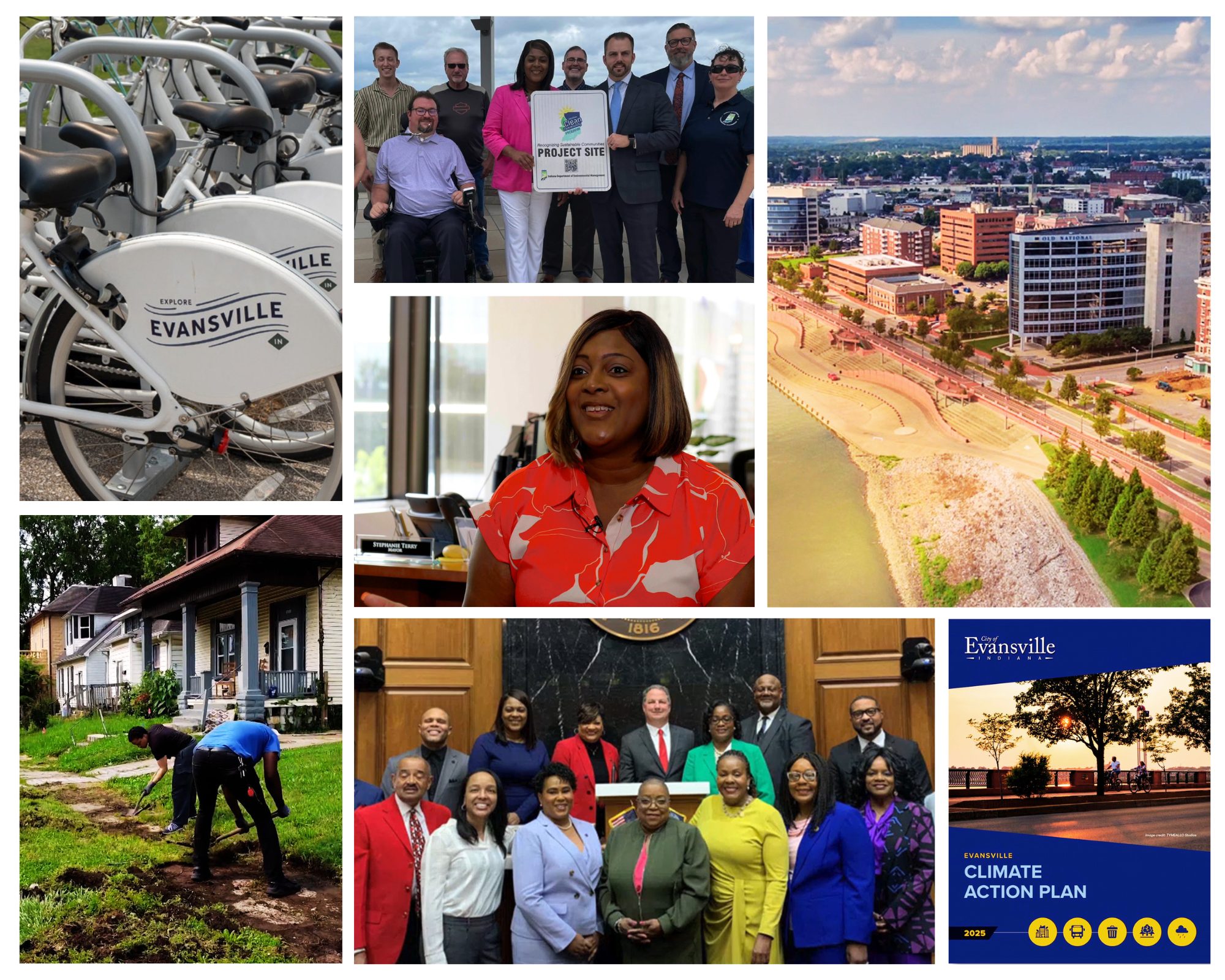
In Evansville, Indiana, that kind of people-first approach guides city leadership.
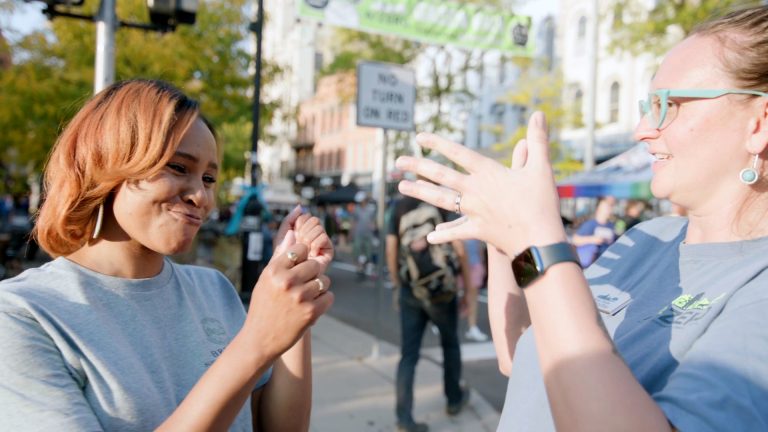
“I think more than anything, inclusive leadership has better outcomes,” says Mayor Stephanie Terry of the City of Evansville. “And we’ve seen it time and time again that when people come around the table in a collaborative manner, you get stuff done.”
For Evansville, planning for climate resilience is about efficiency, reliability, and quality of life.
“The Climate Action Plan, really, for us is a blueprint for smarter infrastructure, for more efficient services,” Mayor Terry says. “Whether that’s planting more trees, improving our streetlights and being more energy efficient, cutting costs—those are the things that I think matter.”
“As mayors, we don’t have time to really get into the politics,” she adds. “We’ve got to be sure that we’re offering services that matter to people the most.” And, Mayor Terry shares, these efforts are uniting Evansville: “We’ve got nonprofit sector, the faith community, business community all coming together, actively engaged in the work.”
“We’ve seen it time and time again that when people come around the table in a collaborative manner, you get stuff done.”
– Mayor Stephanie Terry, City of Evansville, INDIANA
Building Power—People Power
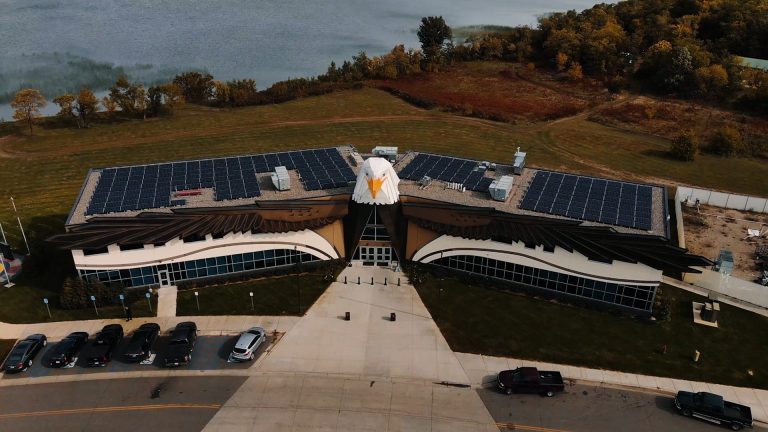
Across Indiana, organizations are helping residents connect clean energy to the things they already value: affordability, family security, and local jobs. In fact, over 90,000 people in Indiana now work in clean energy.
“Everything we get done comes down to building relationships within and among our communities,” says Megan Robertson of Indiana Conservation Voters. “Hoosiers care deeply about each other and the places we live.”
“And when people connect clean energy and conservation to lowering costs, boosting our economy, and protecting their families, they step up and take action,” Robertson says. “We’ve seen that time and again.”
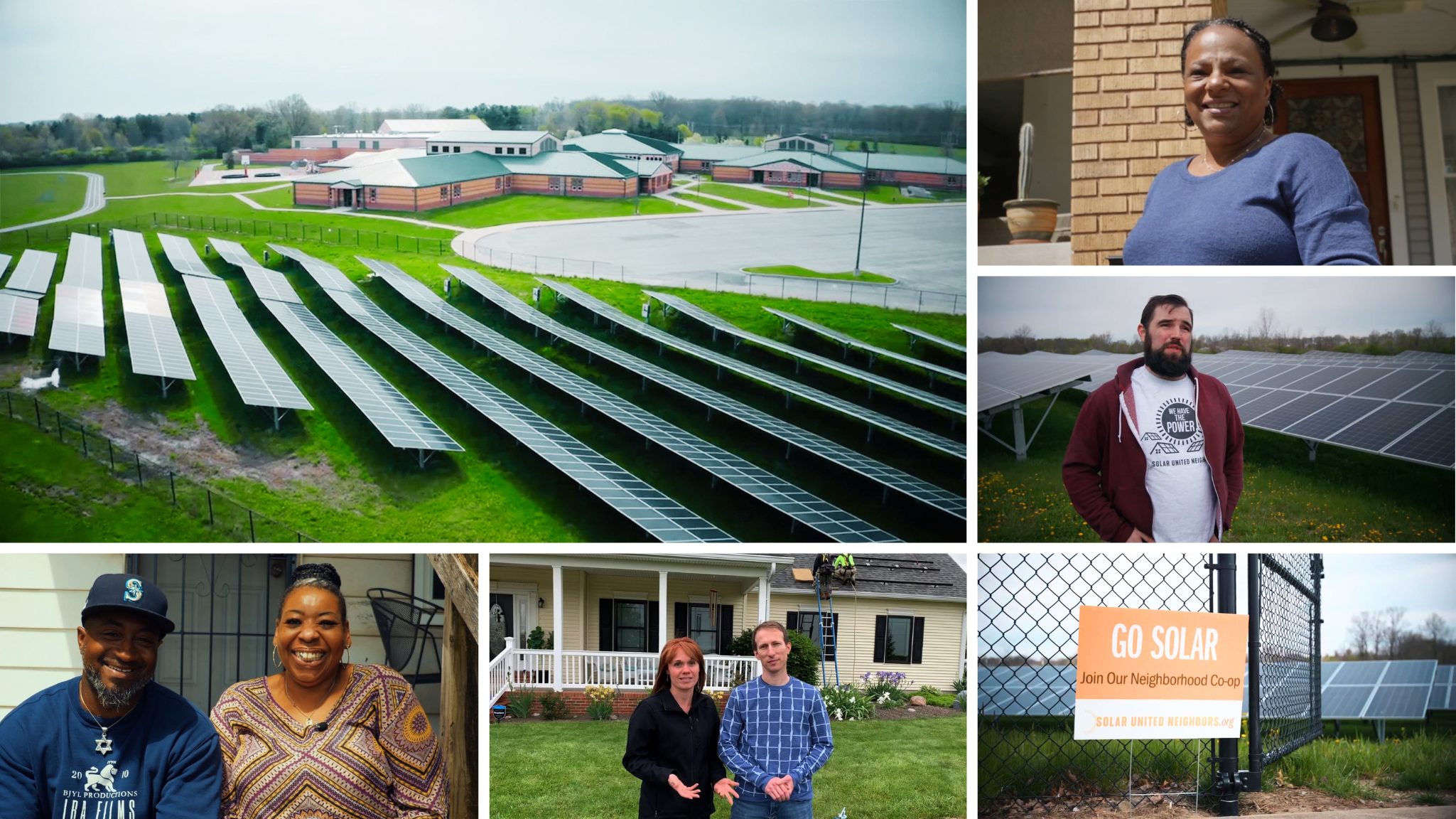
Access matters too. As solar becomes more common—Indiana was third among all states behind Texas and California for new solar installations in 2025, doubling the state’s solar capacity in just one year—neighbors are choosing to move together.
“What Hoosiers love about solar is that it’s a package deal,” says Zach Schalk of Solar United Neighbors Indiana. “You don’t just get clean energy—you get lower electric bills, a stronger energy grid, and more resilient communities too.”
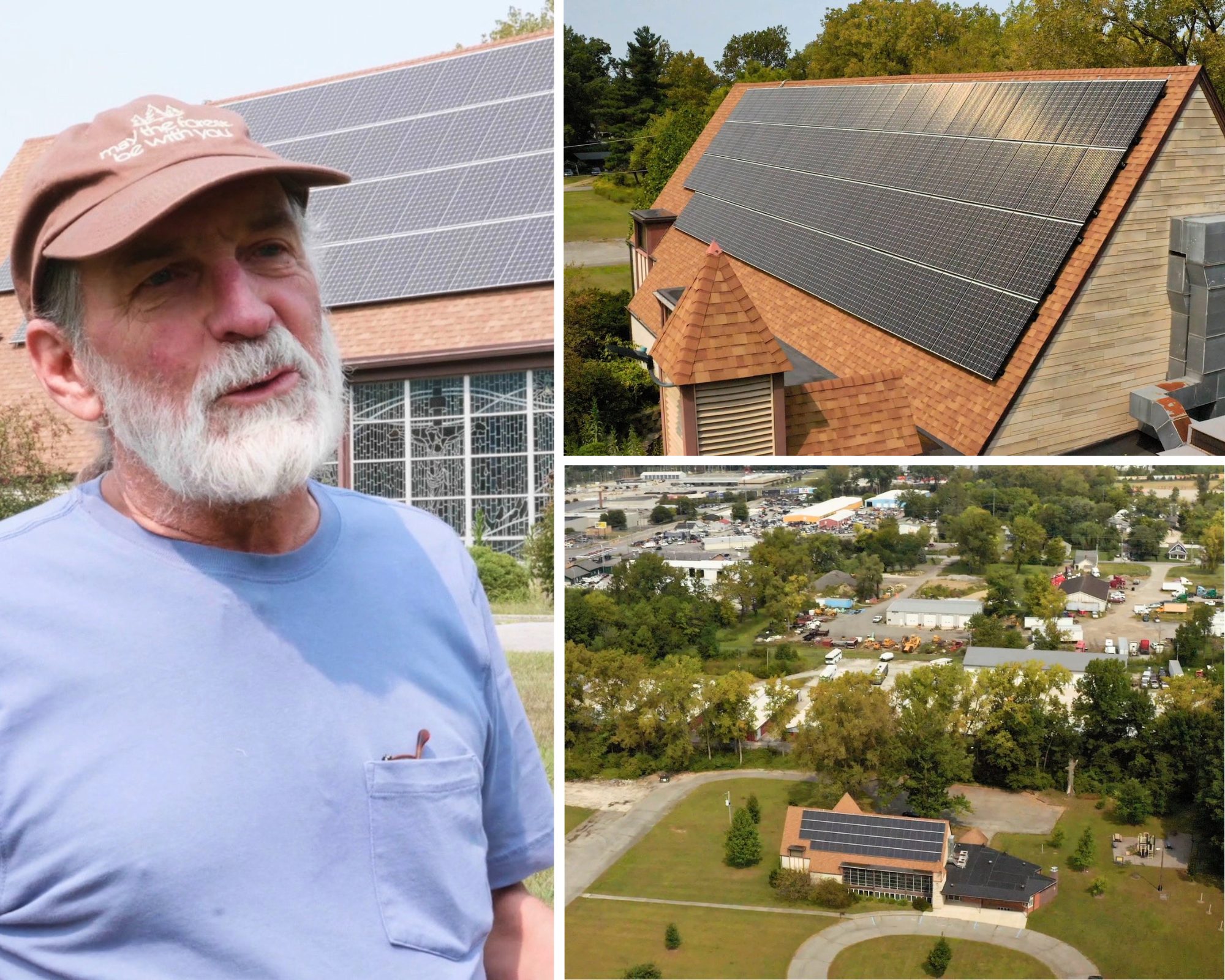
“And it doesn’t matter whose roof it is, either,” Schalk adds. “From homeowners to local businesses to churches and schools, more Hoosiers than ever are joining together to harness the power of the sun.”
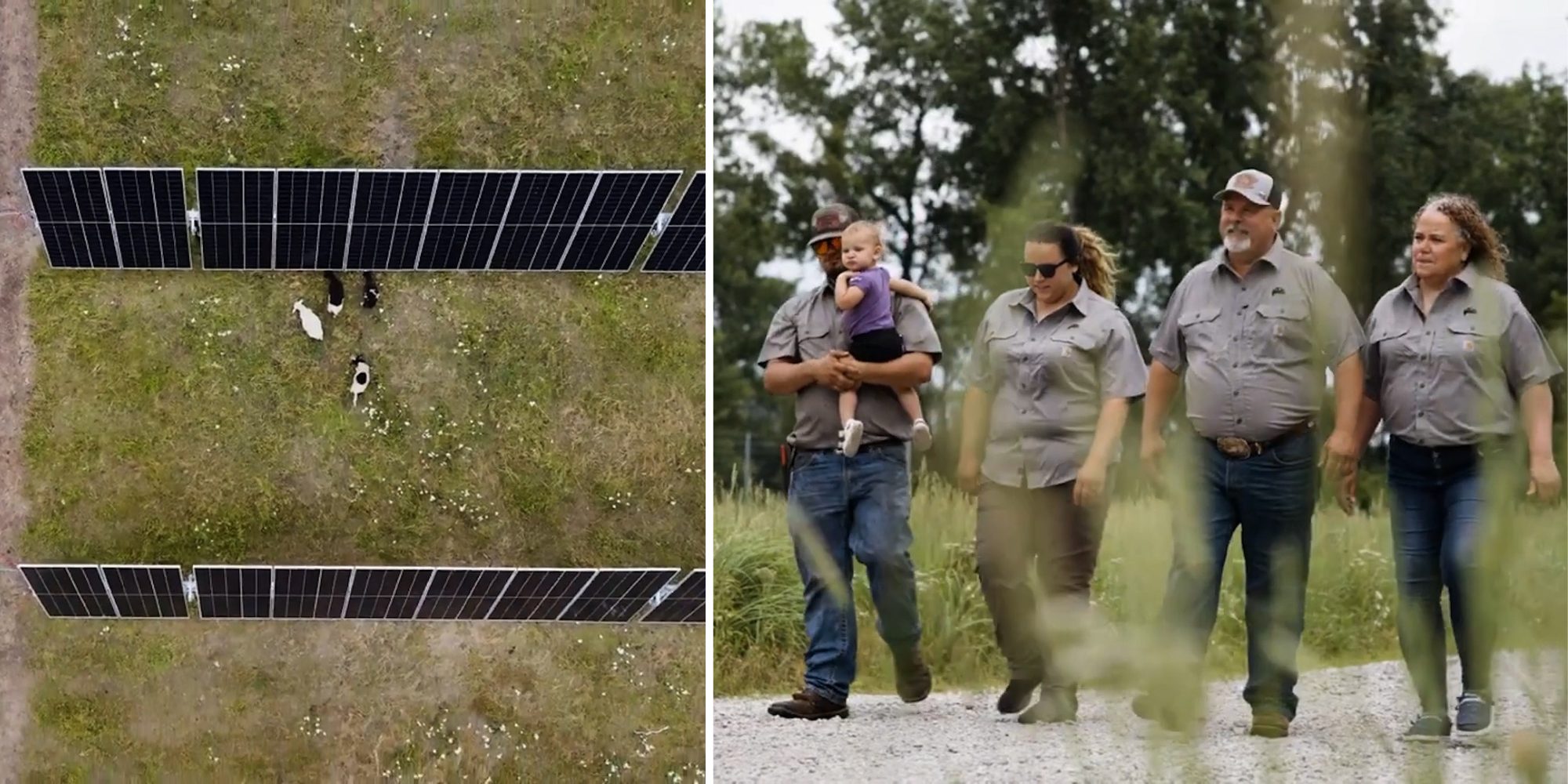
Farmers are also tapping into clean energy in a big way, and in harmony with their operations. “My dad started as a row crop farmer, but we’ve always been livestock people,” shared farmer Bill Bope. “Solar was able to bring us back to a livestock operation in a unique way. We are able to do hay, chickens, pigs, and sheep under the panels,” he added.
“We are able to do hay, chickens, pigs, and sheep under the panels…The farm is now profitable enough to bring my daughter back to the family operation…and raise her children here.”
– BILL BOPE, Indiana Farmer
Solar is also keeping generations of his family together on the farm. Because of the income from leasing their land for solar, “the farm is now profitable enough to bring my daughter back to the family operation. She was able to quit her 40-hour-a-week job to be on the farm and raise her children here,” growing strong rural communities for a strong future.
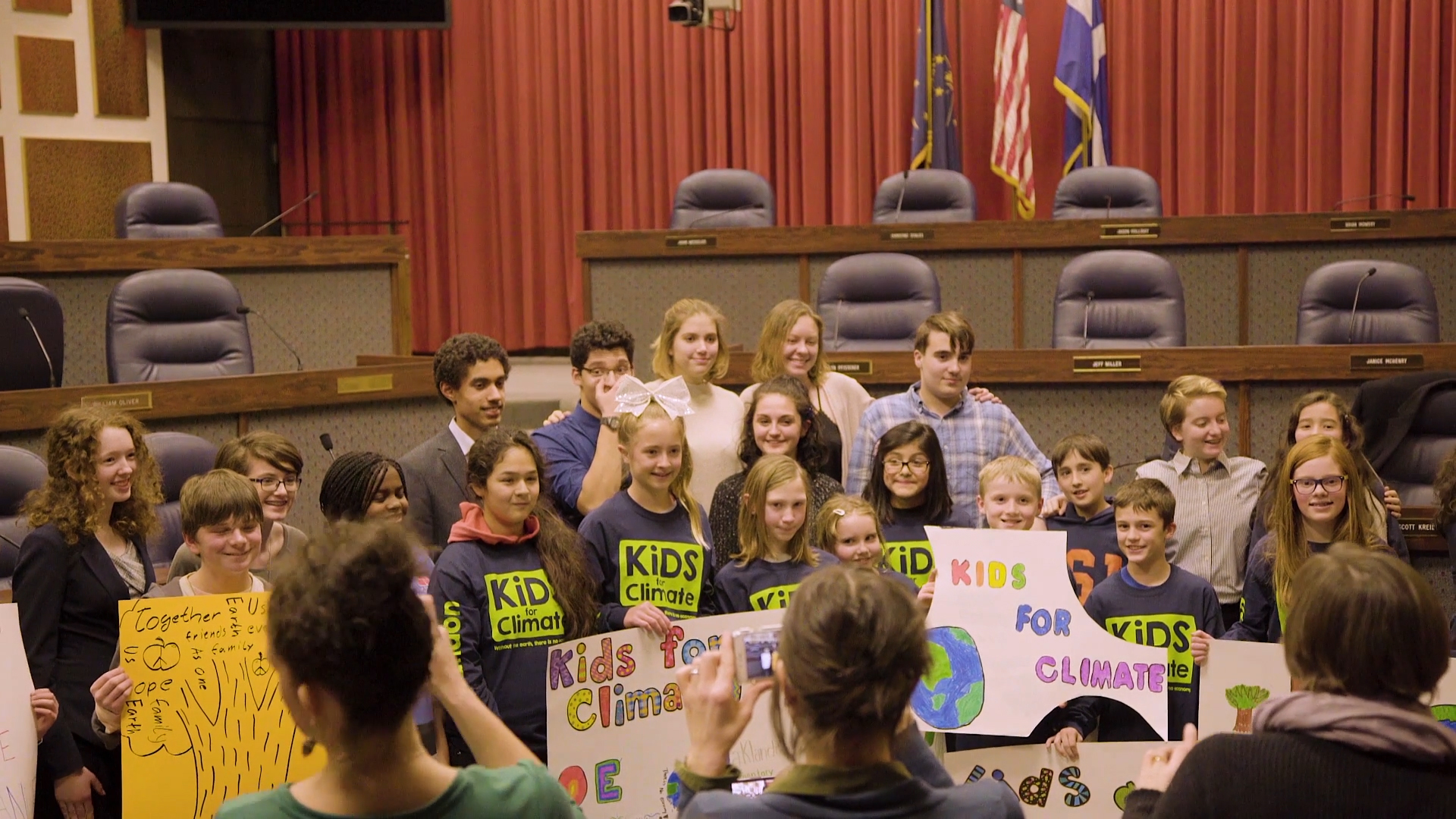
These developments paint a vibrant picture for the next generation of Hoosiers. And young people across Indiana are stepping up and speaking up for a cleaner, healthier path forward. “The power and flexibility of renewable energy is helping people and building resilience all across Indiana,” says Shannon Anderson of Earth Charter Indiana. “Our youth advocates have grown up with these technologies and they are some of their best supporters.”
“From talking with policymakers to using their voices as student journalists,” Anderson says, “they are leading with creativity and passion.”
Partnerships for the Path Forward
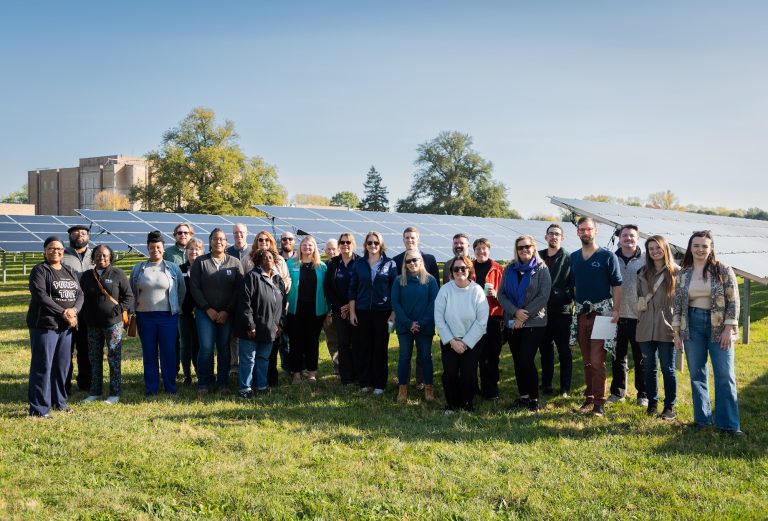
Indiana’s story is not about chasing trends. It’s about strengthening what already works: communities looking out for one another, practical problem solving, and decisions made close to home.
“We have to find partners that can catalyze our work building people power, building bridges, and building economic opportunity,” says Stephanie Goodrid Lawson of the McKinney Family Foundation.
“At the end of the day,” she adds, “what matters most is the people, not the ideology. And we can find ways to meet people, because Hoosiers are worth fighting for.”
At McKnight Foundation, we believe that partnership accelerates progress. In Indiana we’re working closely with McKinney Family Foundation and Herbert Simon Family Foundation who know their communities best and can help grow place-based solutions with speed and trust.
“When we work together, we share risk and learning, and have a much greater collective impact,” said Sarah Christiansen, director of strategic climate initiatives at McKnight. “And we have found that climate solutions work best when people can feel the difference in their own lives—healthier homes, lower bills, steadier jobs, stronger communities, and a future where reliable, affordable power is simply part of everyday life.”