Category:Announcement
Many of us have experienced it. A grandparent who no longer recognizes your face. A friend diagnosed with Parkinson’s at 55. A child whose developing speech is delayed in a way doctors didn’t expect. Brain disease doesn’t stay in a lab. It sits across from us at the dinner table, shows up in our phone calls with neighbors, and changes the shape of our families.
For nearly five decades, McKnight has supported scientists working to change that. The goal is to bring science closer to the day when diseases of the brain and behavior can be accurately diagnosed, prevented, and treated, and we’ve seen great progress on that front. We’re launching a new video series, the Minds Behind a Better Tomorrow, to shine a light on the voices of award-winning neuroscientists. Like these scientists, we know the freedom to discover is essential to a free and thriving society, and that our commitment to science, now more than ever, demonstrates our commitment to democracy. They speak about what it means to work in this field, the challenges they face, and what investing in science means for all of us—and the people we love.
Over four decades, McKnight-funded scientists have contributed major breakthroughs in Alzheimer’s disease, Parkinson’s, multiple sclerosis, spinal cord injury, and more. Ten McKnight-affiliated neuroscientists have gone on to win the Nobel Prize. Four women awardees have received MacArthur “genius” grants. And researchers regularly leverage their McKnight awards to attract significant additional funding as well as important new collaborations with other researchers.
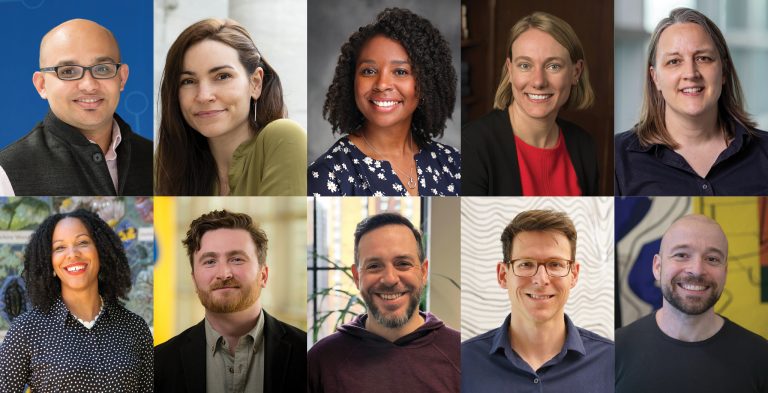
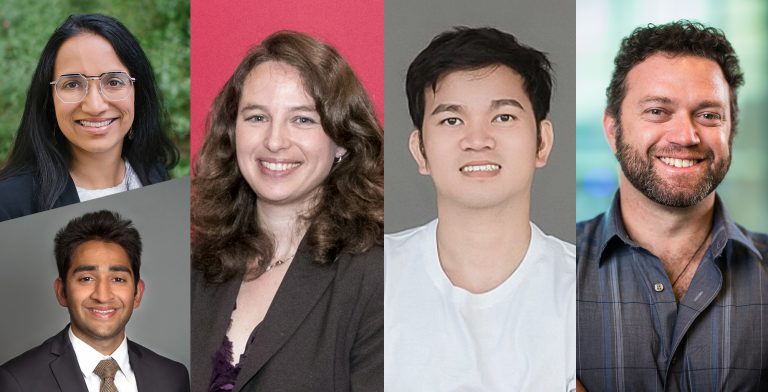
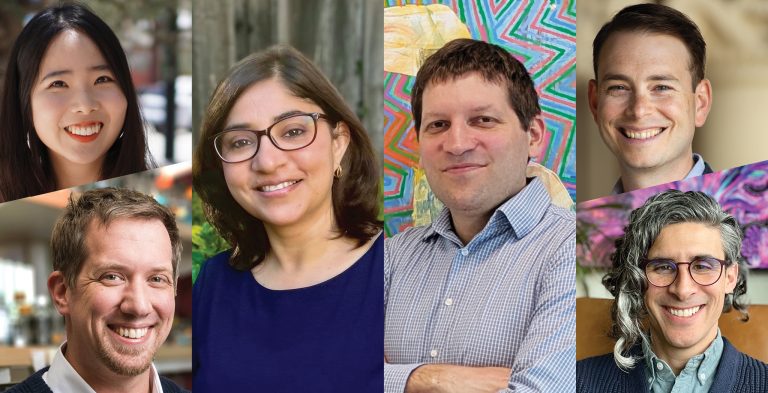
This track record speaks not only to the quality of science supported, but to the value of early investment and the freedom to take risk. According to Karthik Shekhar, Ph.D., UC Berkeley, and 2023 McKnight Scholar, “What investment in neuroscience from McKnight enables scientists to do is take risks and go after projects that may not succeed. Often these discoveries impact humanity in a large way.”
Yet, these new discoveries aren’t guaranteed. This video series comes at a time when U.S. scientific research is at a crossroads. Federal funding is increasingly unstable, creating ripple effects for labs, institutions, and the people who depend on them. We surveyed our community of researchers, and they stated the importance of championing the funding of basic science, now more than ever.
“Uncertainty around federal support for the scientific enterprise has heightened concern about the future of neuroscience,” said Kelsey Martin, M.D., Ph.D., president of the McKnight Endowment Fund for Neuroscience board. “In the midst of this upheaval, McKnight has provided stability and optimism by cultivating a vibrant, long-standing community of leading neuroscientists.”
“The Fund is now receiving three times the number of award applications it did two years ago, as many scientists are looking beyond federal funding,” said program manager Joel Krogstad.
The instability is affecting the pipeline of early-career scientists in ways that are already visible. Postdocs are accepting offers outside the U.S. Some labs have had to cut researchers they couldn’t afford to keep. When that happens, the work doesn’t pause—it stops, and sometimes for years. As Jason Shepherd, Ph.D., University of Utah and 2024 McKnight Neurobiology of Brain Disorders Awardee, said, “If we don’t have new scientists coming through the pipeline, [our research is] dead in the water.” No research means no new treatments for the people who need it most.
In response to pipeline concerns, the Endowment Fund this year increased the number of fellowships focused on expanding access to the field of Neuroscience, supporting researchers within McKnight-funded labs. The Doupe Fellowship helps postdocs attend the Endowment Fund annual meeting, and the Pecot Fellowship creates opportunities for undergraduates from underrepresented communities to engage in neuroscience research early.
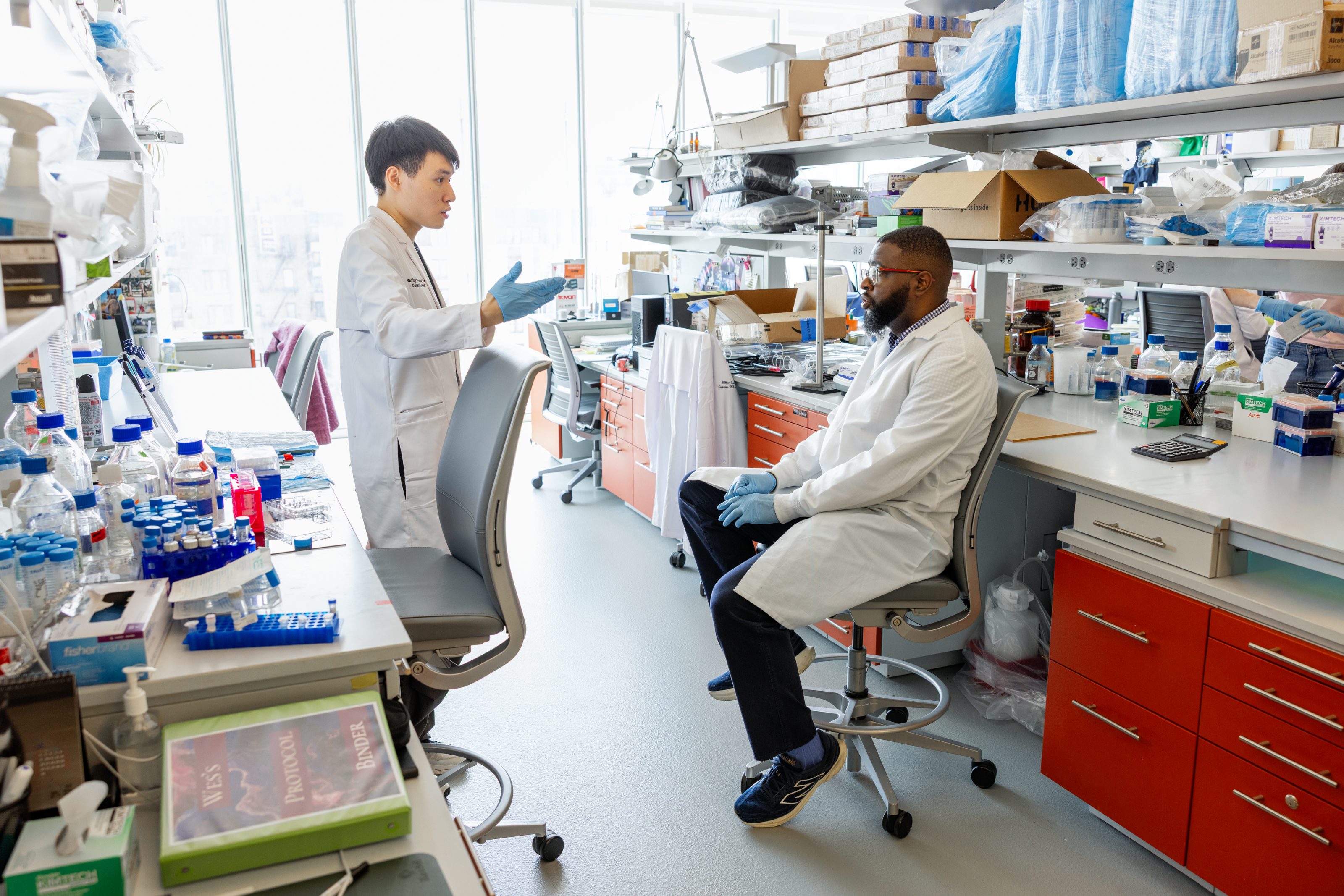
Even with these small shifts, funding from one institution is nowhere near enough to fill the federal cuts. And when research stalls, it rarely restarts where it left off. Momentum loss can mean years—even decades—before treatment reaches patients. For people waiting on a diagnosis plan, undergoing treatment, or caring for their parent or child, that gap is painful.
In the words of the neuroscientists themselves: “Treatments to cures, cancers, metabolic diseases like diabetes and obesity, cardiovascular diseases like heart attack and stroke—all of these are at risk if we stop funding basic science,” said Lisa Beutler, M.D, Ph.D., Northwestern University, and 2022 McKnight Neurobiology of Brain Disorders Fellow. “[Finding cures] is not a miracle; it’s an investment. It’s people working together over years, and that’s why funding science is so important.”
“Over decades, the U.S. has built the greatest biomedical research edifice in the history of our species. We’ve built this great machine, a pyramid of people working together to discover things,” said Sam Wang, Ph.D., Princeton University, and 2012 McKnight Technology Awardee. “It’s important that everyone—scientists, citizens, anyone with a loved one with a biomedical problem—think about whether they want to throw away this incredible accomplishment.”
One of its longest standing commitments, McKnight Foundation’s investment in neuroscience began in 1976, inspired by McKnight’s founder, William L. McKnight, who became deeply interested in brain science while grappling with memory loss later in life. A decade later, the McKnight Foundation established the McKnight Endowment Fund for Neuroscience to oversee the program. Today, the Fund supports two annual awards: the Scholar award, which help early-career faculty establish their labs, and the Neurobiology of Brain Disorders award, which support neuroscientists solve the problems of neurological and psychiatric diseases.
In 2022, the Endowment Fund’s board revamped the program’s goal to increase the number of underrepresented neuroscientists receiving McKnight awards, and in the following year, the Fund selected 40% of the scholar awardees from communities underrepresented in science. This aligns with McKnight’s belief that the best science comes from embracing a diversity of opinions and perspectives.
The Endowment Fund remains committed to funding excellent neuroscience, while also strengthening the ecosystems where research can thrive. As Kelsey Martin shared, “At a time when the future of science feels fragile, we remain steady and clear. Neuroscience improves lives, and we’re proud to support the people doing the work.”
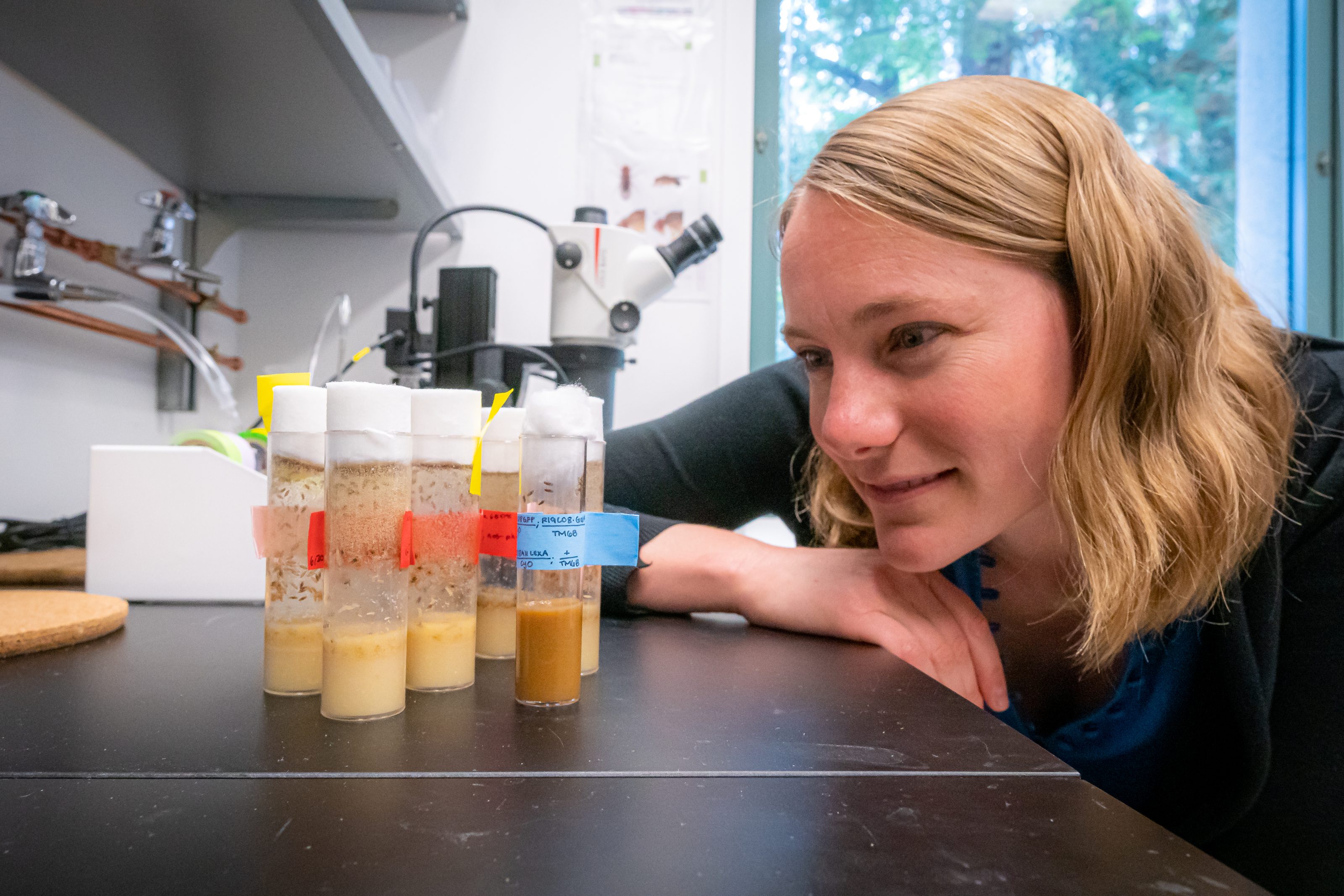
The new video series centers on the voices of neuroscientists themselves. Some share what drew them to the field, about the scientific questions that drive them, and the communities they hope their work will serve. They are working toward answers for how we understand memory and movement, mental health and aging, learning and loss—issues that affect our loved ones, neighbors, friends, colleagues, and ourselves. When scientists don’t have the funding or support to find these answers, progress slows for everyone, and in some families, that means life or death.
Despite the funding challenges, these scientists share a profound sense of purpose and persistence. “We are training the next people who will create the technologies, innovations, and treatments for our next healthcare challenges,” said Lauren O’Connell, Ph.D., Stanford University, and 2020 McKnight Scholar. “When a student makes an initial discovery that’s almost all their own that no one else in the universe knows about—to see that excitement on their face is one of the best feelings of mentorship.” That student’s discovery—made in a university lab on an ordinary afternoon—may be the first step toward a treatment that allows someone’s mom to live another decade or gives a child a chance at a different life.
We invite you to watch, share with your networks, and add your voice to the call for sustained support for scientific research. The discoveries ahead depend on it.
We invite you to watch, share with your networks, and add your voice to the call for sustained support for scientific research. The discoveries ahead depend on it.
 Sam Barondes, M.D.
Former President of the McKnight Endowment for Neuroscience Fund
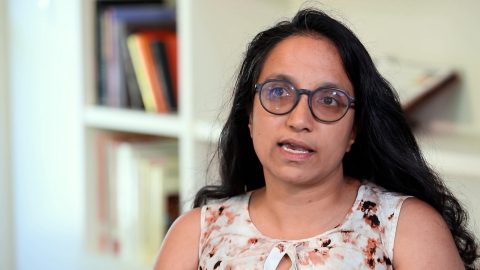 Aparna Bhaduri, Ph.D.
UCLA
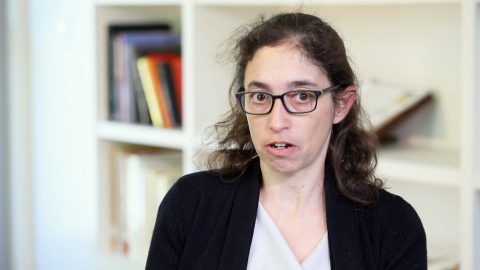 Lisa R. Beutler, M.D., Ph.D.
Northwestern University
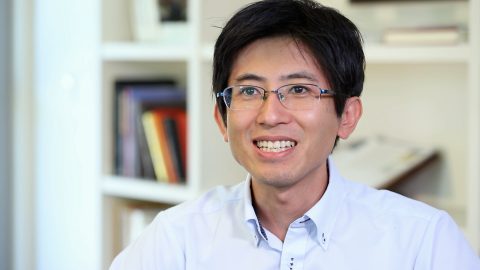 Hidehiko Inagaki, Ph.D.
Max Planck Florida Institute for Neuroscience
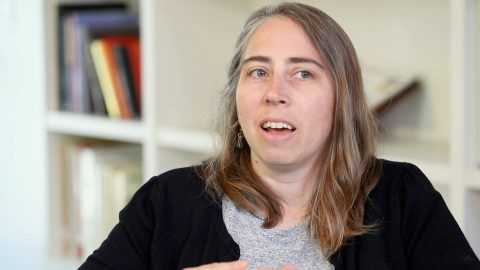 Peri Kurshan, Ph.D.
Albert Einstein College of Medicine
 Lauren O’Connell, Ph.D.
Stanford University
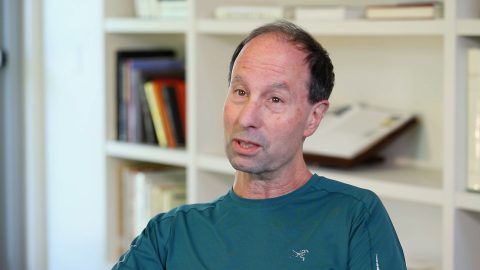 Mike Shadlen, M.D., Ph.D.
Columbia University
 Karthik Shekhar, Ph.D.
UC Berkely
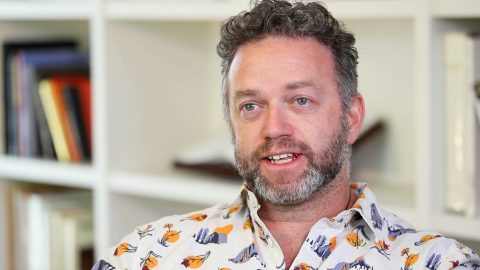 Jason Shepherd, Ph.D.
University of Utah
 Mubarak Hussain Syed, Ph.D.
The University of New Mexico
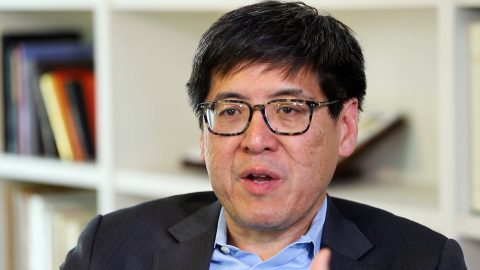 Sam Wang, Ph.D.
Princeton University