Category:Impact Story
Hoosiers Work Together for a Brighter Future
“Daily, I am witness to new technologies shaping the future—solar, wind, geothermal—along with all building and construction trades who are creating innovative ways to address sustainable construction from new materials to different installation methods. This isn’t abstract. It’s real work happening across the state, right now, creating family sustaining careers for people in the trades.”
If there’s one thing my journey has taught me, it’s this: No matter who you are or where you come from, you have something to contribute. And if you’re in a position to help someone along the way—you should.
I never set out to be a leader when I started as a tile finisher in 1988. My goal was simple: to be good at my craft and secure a future. I couldn’t have imagined that path would eventually lead me to represent the trades across Minnesota, and later step into an Executive Director role. Looking back, the path wasn’t planned—it grew out of showing up, working hard, and a desire to provide for my family.
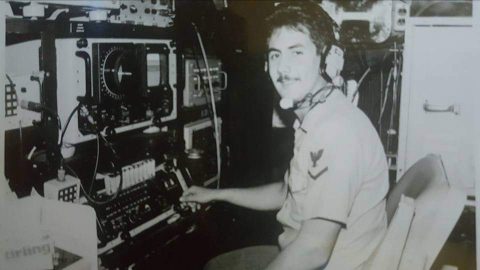
After returning from my tour in the Navy, I used the GI Bill to attend college. But when those benefits ran out, I reached a crossroads. At 28, I had to decide what came next. I took a hard look at what I was learning, what truly motivated me, and where I could see a future. That moment brought a kind of clarity I hadn’t experienced before. I realized I really enjoyed being a tile finisher. I chose to commit fully to a career in construction, which felt meaningful.
I worked for several construction companies before joining Grazzini Bros and Company in 1995, my first union company. It was there that I became a foreman, and it felt like my career was taking off. I was asked if I’d be interested in teaching to train apprentices in the Bricklayers and Allied Craftworkers (BAC) local 1 registered apprenticeship program. It was one night a week and I thought it would be fun, so I said yes. That yes changed everything. What started as a part time opportunity quickly grew into something more. Over the next five years I found my passion as an instructor, learning to teach apprentices. It became clear that my purpose expanded beyond the job site and into the classroom, becoming Apprenticeship Coordinator and then Apprenticeship Director of BAC Local 1, training the next generation of craftworkers.
Around 2010, I was elected President of the Apprenticeship Coordinators Association of Minnesota. Through outreach we began to notice a pattern—an opportunity to connect with youth earlier, and shifted our approach to focus on engaging high school students—sharing the possibilities and pathways available in the trades before they made decisions about their future. In 2015 I became the State Apprenticeship Program Administrator for the Minnesota Department of Labor and Industry.
Being part of the trades has taught me something important: no one can create meaningful change alone. I was fortunate to have people who took me under their wing, showed me the ropes, and opened doors I couldn’t have reached on my own. People who cared enough to pour into my future.
“Being part of the trades has taught me something important: no one can create meaningful change alone. I was fortunate to have people who took me under their wing, showed me the ropes, and opened doors I couldn’t have reached on my own. People who cared enough to pour into my future.”
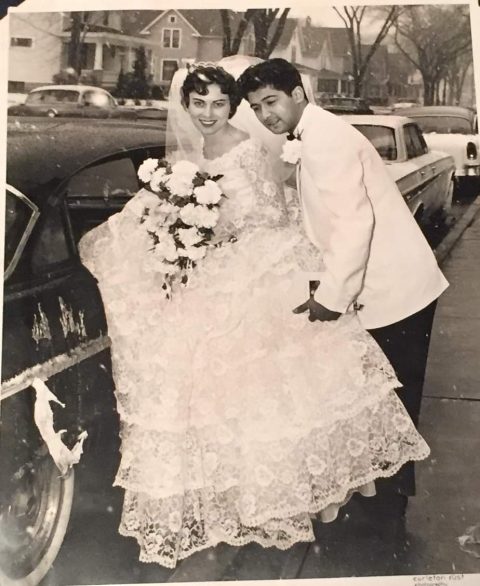
I’m a West 7th Street, Saint Paul kid—that will always be at the core of who I am. It’s why I believe so strongly in reaching youth from disadvantaged and historically underrepresented communities: there’s a real future in union construction. That’s the mission of Building Strong Communities, and as I near retirement, I see just how deeply it’s tied to my own story.
I was born in 1962, at a time when the Civil Rights Movement was unfolding across the country, shaping conversations about race, identity, and opportunity. My mom is German, my dad is Mexican, and there were only a handful of families like ours in the neighborhood. Being a multicultural family shaped my daily life in ways both visible and unseen. As a child, I watched my mom and dad navigate a world that didn’t always treat them fairly. It was especially hard to understand because, to me, they were the hardest-working people I had ever known.
And he worked—constantly. My dad did whatever it took to provide for our family. He worked for the railroad, drove a taxi, often working long and exhausting hours, for many years. When one job wasn’t enough, he took on another—whatever was needed. Later in life he would find success as a tile layer. My childhood was shaped by his rhythm. He would leave early in the morning, before the day had fully begun. He’d come home for dinner, and then he’d head back out again, into the night, working while we slept.
Looking back, I understand more clearly what I was witnessing. Not just hard work, but perseverance in the face of barriers. A deep desire to create generational wealth for our future. My mom stayed home to raise us. When I reached high school, she took a job as a cashier at Rainbow grocery store. Both of my parents were incredibly hardworking, day after day, showing me what resilience really looks like.
As a child I never felt we lacked, but I could sense the difficulty through the conversations around the kitchen table. I understood that people didn’t always open doors for my dad when they had the opportunity to. I didn’t realize it at the time, but that experience planted a powerful belief in me: if you have the ability to help someone, you should. That idea became something profound in me. I felt the contrast in my own story because there were many people who were a part of opening doors for me. This message would form the defining ambition of my career, to create pathways to access, to care and notice who’s being overlooked.
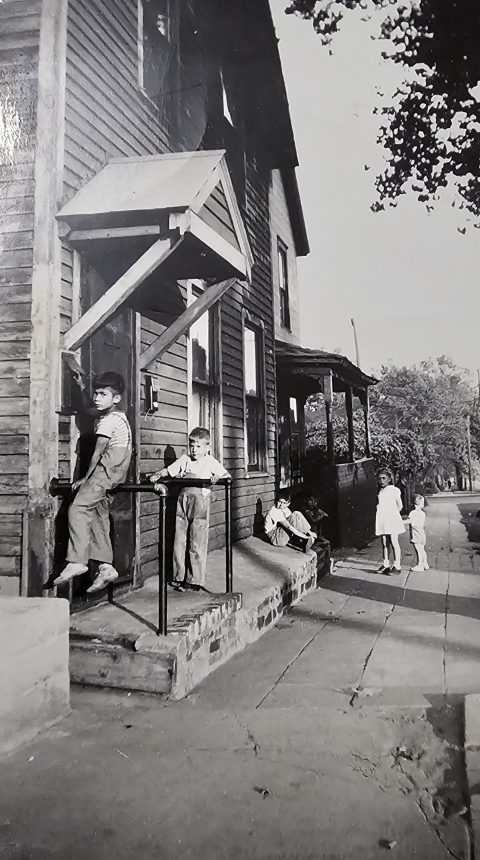
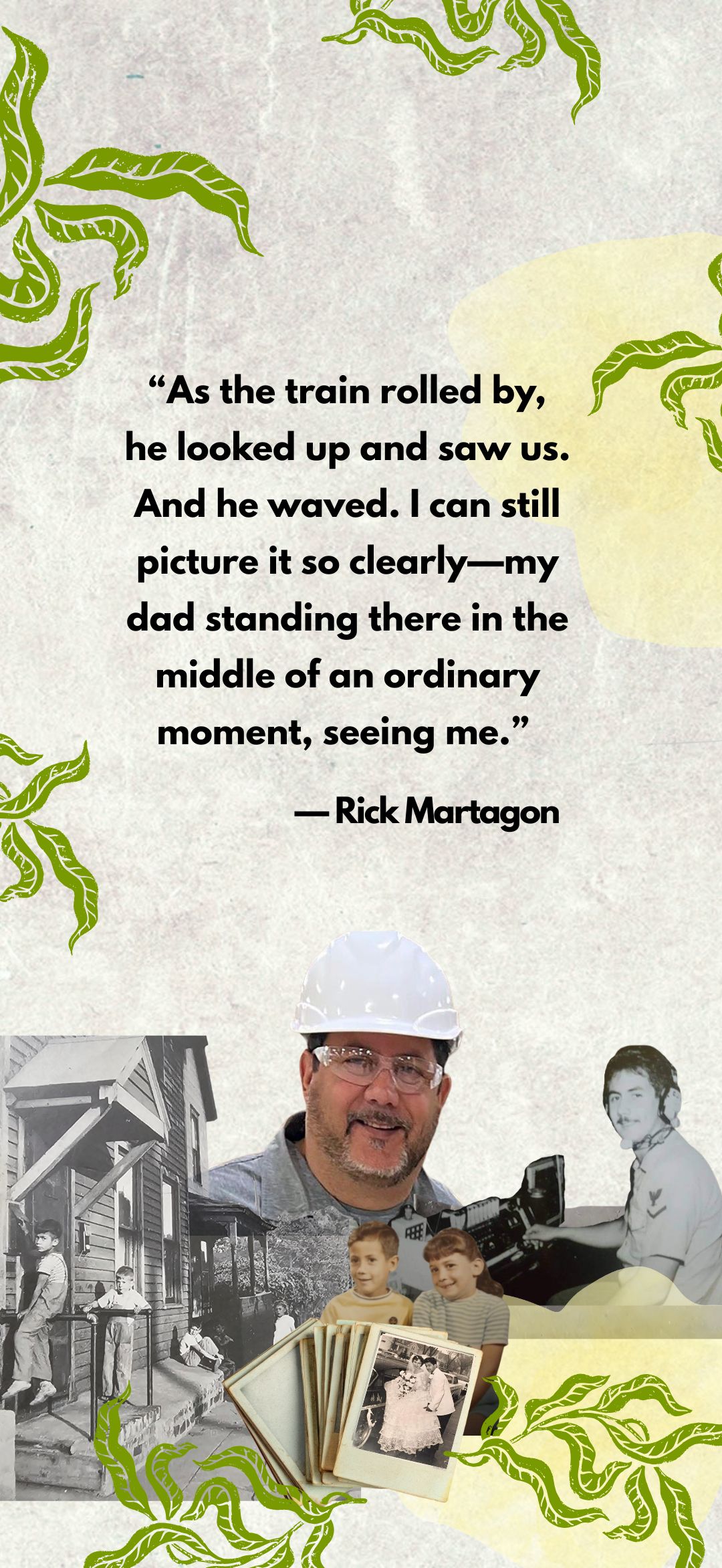
One of my earliest memories is from when we lived just four houses off the tracks on Duke Street. I must have been two or three. My mom took my sister and me on the train from Saint Paul to Minneapolis, and it felt like a big adventure. What I remember most is the moment the train passed by our own neighborhood—our house coming into view from a completely different perspective. And there, right outside, was my dad. He was washing a tan convertible Oldsmobile.
As the train rolled by, he looked up and saw us. And he waved. I can still picture it so clearly—my dad standing there in the middle of an ordinary moment, seeing me. A simple memory that somehow became unforgettable. I was three years old.
My grandparents came from Mexico to work the fields, building a life here from the ground up. I have become the keeper of my grandmother’s recipes, carrying them forward. The flavors I return to again and again all begin in the same place—ancho peppers. Whether it’s tamales, enchiladas, or mole, everything starts with that deep, rich ancho base, and from there, the recipe builds. It’s more than cooking—it’s memory, tradition, and connection. Language was like this, too. Spanish was spoken among the older generation, but in the next generation it lived in fragments, mixed with English, a kind of in-between language. We grew up hearing that blend English and Spanish, but to us it was an important part of forming our identity in America.
Every year, I host a family reunion. It is important to have moments to bring everyone back together, to celebrate the obstacles, how they made us stronger, all that has been accomplished. I spend the week leading up to it in the kitchen. Cooking, prepping, tasting—it’s a labor of love. This past year, 57 people showed up. Seeing everyone gathered, eating foods that have been passed down through generations, feels like keeping something alive, and necessary to sustain us. As my family gets older, those traditions feel even more important. My dad, especially—he craves enchiladas, and when he does, I make them. It’s a small way of giving something back.
To honor the past is to remember it, while also turning our gaze toward the legacy we leave and our responsibility for the future. Growing up on West 7th, we’d spend whole days fishing along the shoreline of the Mississippi below Schmidt Brewery. Fishing became more than a hobby—over the years it has been a way to manage stress, to slow down and reset. There is nothing like spending a quiet fall Sunday on Lake Pepin—tying up the boat, eating lunch, reading the paper, watching the leaves. Every year, I feel the anticipation of the ice fishing season. But it’s changing. Our winters are warmer. Safe lake ice is less predictable—the season is shorter, and summer’s warmer waters are harder on the lake ecosystems including fish. Knowing what we are losing makes the time I have feel more meaningful. Fishing now represents holding onto something that’s been part of my life for so long, even as the environment shifts around it.
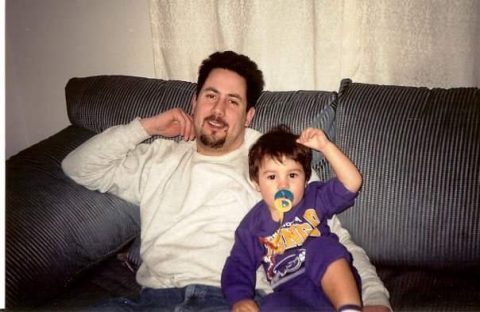
When I think about why this work matters now more than ever, it’s about what this will mean for my grandkids, the legacy we are leaving.
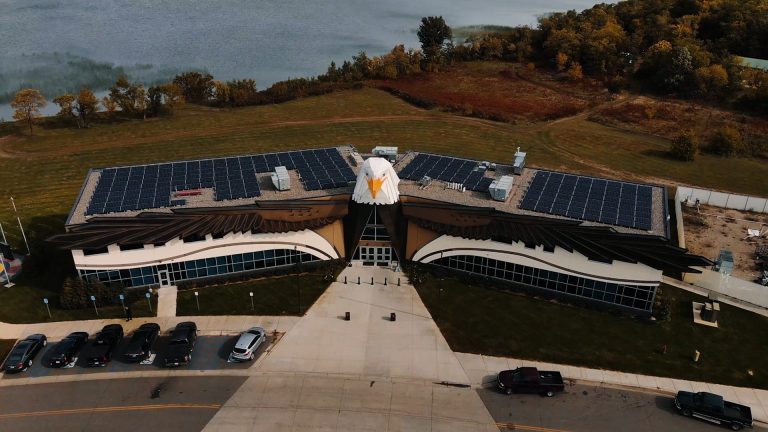
Every trade has a role in building the green economy, needed to respond and adapt to climate change. Daily, I am witness to new technologies shaping the future—solar, wind, geothermal—along with all building and construction trades who are creating innovative ways to address sustainable construction from new materials to different installation methods. This isn’t abstract. It’s real work happening across the state, right now, creating family sustaining careers for people in the trades. According to the Climate Jobs Institute at the University of Illinois Labor Education Program, “Skilled workers are at the heart of the clean energy transition, creating good jobs while helping communities adapt to climate change.” As energy needs grow and technology evolves, so too will the work. The opportunity for innovation isn’t slowing down—it’s accelerating.
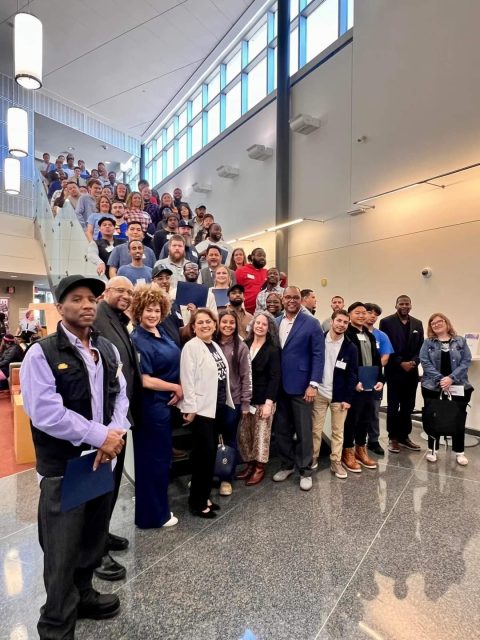
Programs like Building Strong Communities bring people into the industry, support their placement, and help them navigate career pathways. My work may not always be labeled “green,” but the people coming into these programs today are stepping directly into that future—building infrastructure, supporting communities, and creating long-term opportunities for themselves and their families to have a more reliable future. I think about my dad, the hard work we collectively put in, and that this is part of building generational wealth, too.
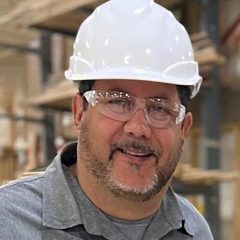
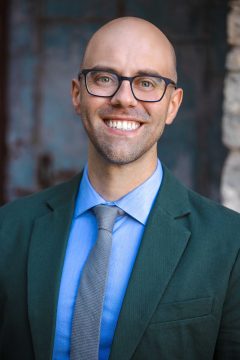
About the Author: Rick Martagon is the Executive Director of Building Strong Communities, leading efforts to connect people to union construction careers through workforce and apprenticeship programs. A U.S. Navy veteran, he brings over 27 years of industry experience and a strong commitment to expanding access to the trades.
About this Project: Rick’s story is co-produced with Change Narrative LLC, in partnership with McKnight Foundation’s Midwest Climate & Energy Program. Read more essays from the series: Midwest Climate Leaders Share Stories of People and Place.