CCRP Program Background

​Program Background: Crop Research

Westrive for a world where all people have access to the nutritious food theyneed on the terms they can afford, and where food is sustainably produced toprotect local resources and respect cultural values. TheMcKnight Foundation Collaborative Crop Research Program (CCRP) is a competitivegrants program that seeks to increase food security for resource-poor people indeveloping countries.

Beginning in 1983, the Foundation gave about $18.5 million over 10years to further plant science at U.S. universities as a part of the PlantBiology Program, which honored the founder William L. McKnight’s roots infarming. Upon evaluation of the program in the mid-1980s, the board discoveredthat their deepest concern in the area was for world hunger. The Foundation thenput intense effort into figuring out how to address the massive problem ofworld hunger effectively with a relatively modest investment.  The Collaborative Crop Research Program beganin 1993 with a series of planning grants, followed in 1995 with grants to nineexemplary, cross-cultural partnerships among U.S. scientists and scientists inAsia, South America, and Africa. The program’s goal is to enhance scientificleadership and research capacity in developing countries, stimulate research onneglected crops, and help countries build a sustainable capacity to ensuretheir own food security.

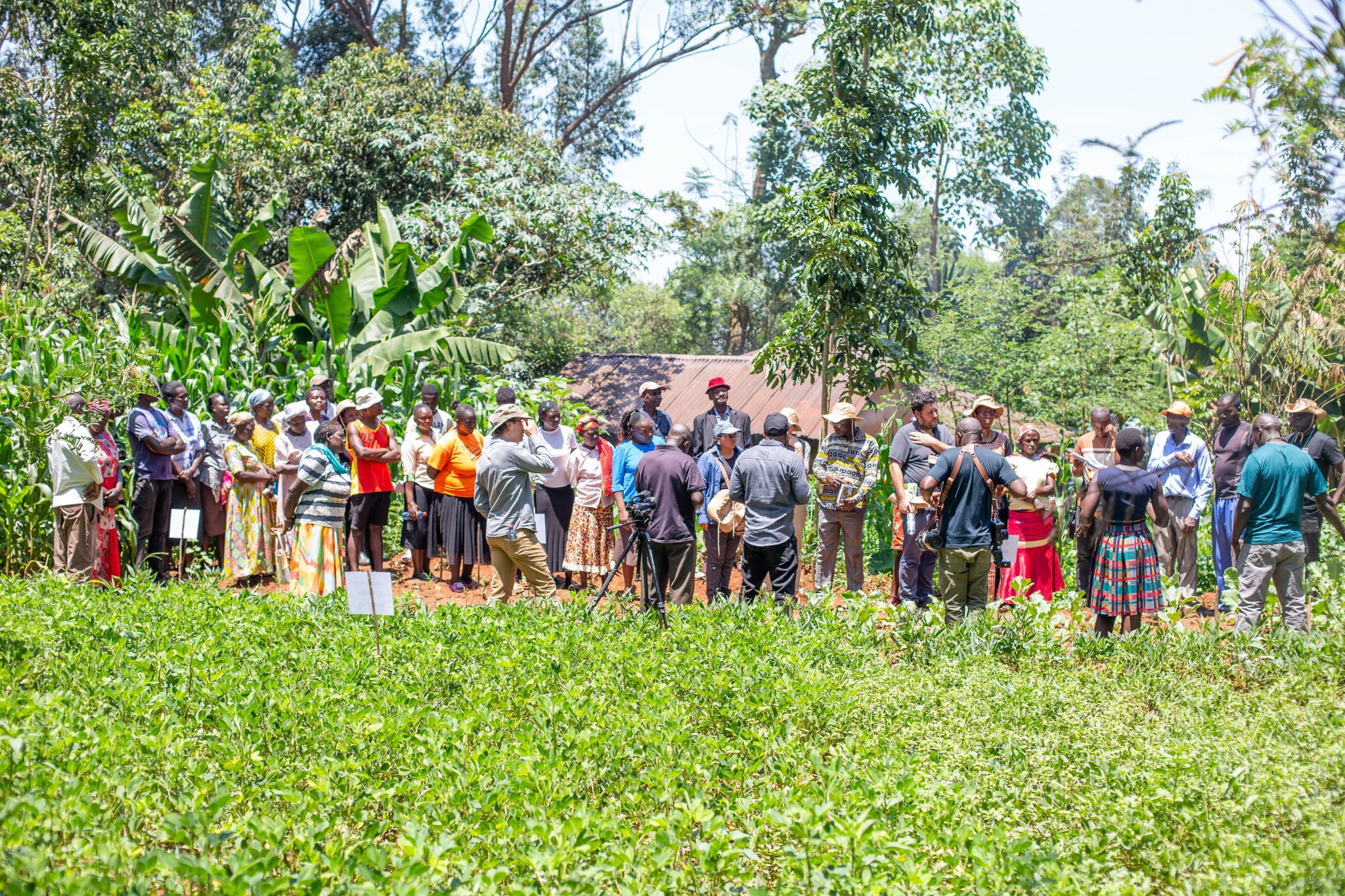
In 2008, the Billand Melinda Gates Foundation recognized McKnight's successful program with agrant of $26.7 million over five years. This generous funding allows the CCRPto capitalize on the two foundations' combined resources, and build upon its25-year field history strengthening a network of scientists, organizations, andcommunities working for food and nutritional security.

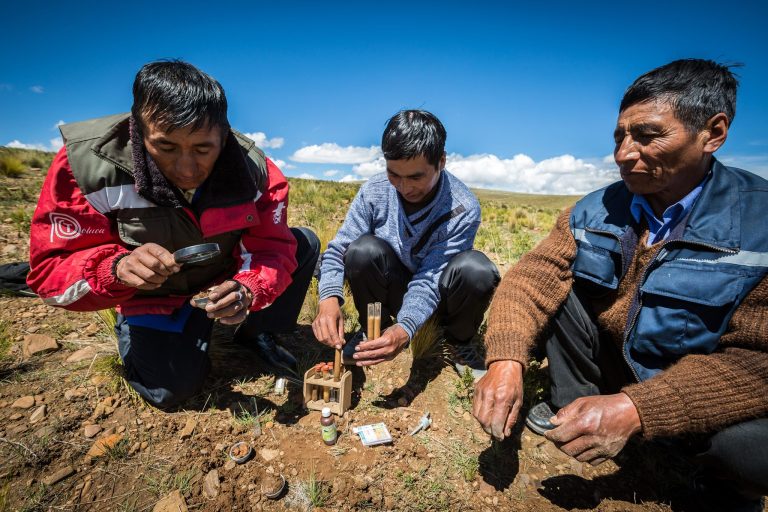
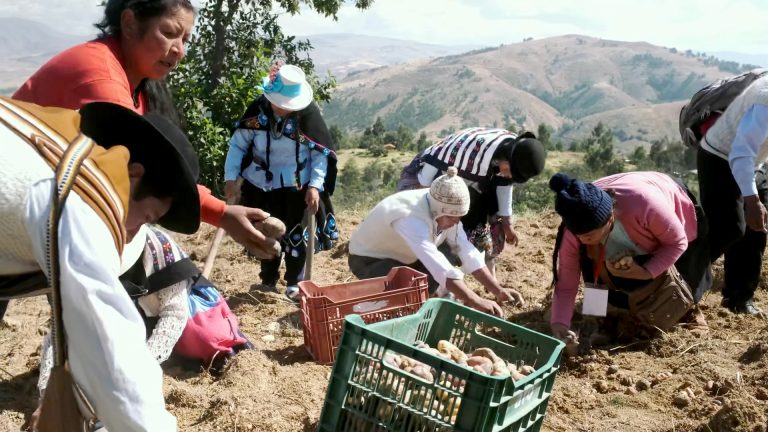
The CCRP strategically combines elements of research anddevelopment, seeking innovative solutions to real problems that will improveavailability, access, and utilization of nutritious food by rural people withthe fewest resources. Experts in developed countries are linked with those inAsia, Africa, and Latin America who lack training or resources forcomprehensive scientific studies. We take a holistic, ecosystem approach toagriculture, supporting research and partnerships that lead to increased cropproductivity, improved livelihoods, and better nutrition.